

One of the important characteristics of Candida yeasts is their ability to form biofilms, which can make fungal infections much more difficult to treat. For this reason, biofilm formation is an important factor to consider when evaluating new potential antifungal drugs. However, establishing reliable Candida biofilms in vitro is not always straightforward. Small differences in the culture medium, inoculum, incubation time, or other experimental conditions can have a significant impact on the results.
The aim of my STSM at TOXRUN-IUCS/CESPU was to gain practical experience in establishing and studying Candida biofilms and to learn how different experimental conditions can influence their development and characterization. During the training, I worked not only with Candida glabrata, which is the main focus of my doctoral research, but also with C. albicans, C. parapsilosis, C. tropicalis, and C. krusei.
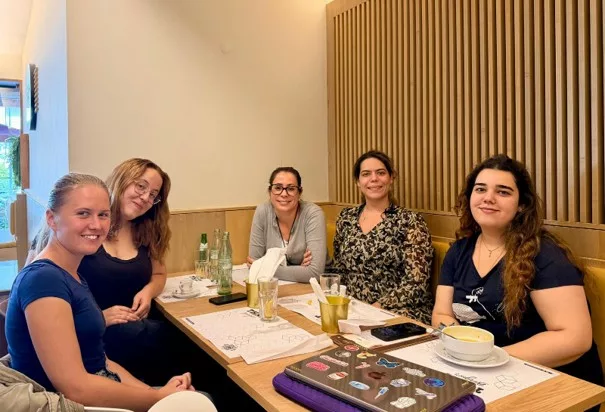
Another important part of the STSM was the exchange of knowledge between CESPU and UCT Prague. Beyond the technical skills gained, the STSM created a strong basis for future cooperation between the two institutions. This experience showed me how valuable international exchange can be—not only for learning new techniques, but also for developing new scientific ideas and building lasting research collaborations.